

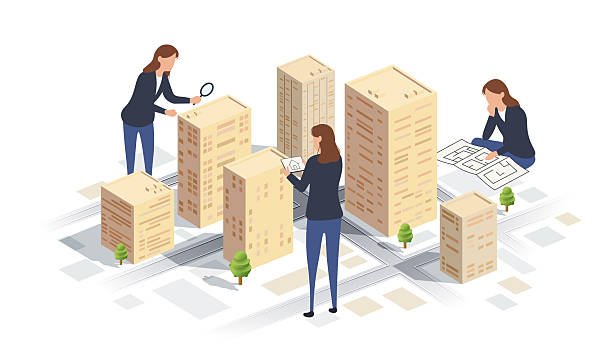
Introduction to Zoomtown
The concept of Zoomtown has emerged as one of the most fascinating social and economic shifts of the modern era. In simple terms, a Zoomtown refers to a city or town that has experienced rapid growth due to the rise of remote work. As professionals untether themselves from traditional offices, many are choosing to relocate to places that offer a better quality of life, lower living costs, and access to nature—all while staying connected through digital tools like Zoom.
The idea of a Zoomtown gained popularity during the global shift toward remote work, but its impact continues to expand well beyond that initial moment. Today, Zoomtowns are redefining how people live, work, and build communities. This article explores the meaning of Zoomtown, its origins, benefits, challenges, and what the future may hold for these rapidly evolving destinations.
What Is a Zoomtown? A Clear Definition
A Zoomtown is typically a smaller city, town, or suburban area that attracts remote workers who can perform their jobs from anywhere. These locations often see an influx of new residents who bring urban salaries into traditionally quieter or less expensive regions.
Key Characteristics of a Zoomtown
-
Reliable high-speed internet
-
Affordable housing compared to major cities
-
Attractive lifestyle amenities such as nature, culture, or safety
-
A growing population of remote professionals
Zoomtowns are not defined by size alone. Some are small mountain towns, while others are mid-sized cities reinventing themselves as remote-work hubs.
The Origin of the Zoomtown Trend
The rise of the Zoomtown is closely linked to advances in technology and changing workplace norms. Video conferencing platforms, cloud-based collaboration tools, and digital communication made remote work viable long before it became mainstream.
Why the Term “Zoomtown” Became Popular
-
The widespread adoption of Zoom for virtual meetings
-
A symbolic representation of location-independent work
-
Media coverage highlighting migration patterns
While remote work existed before, the sudden normalization of working from home accelerated the Zoomtown phenomenon. People realized they no longer needed to live near corporate headquarters to succeed professionally.
Why Zoomtowns Are Attracting Remote Workers
Zoomtowns offer a compelling alternative to crowded metropolitan areas. For many, the appeal goes far beyond affordability.
Lifestyle Improvements in a Zoomtown
-
Shorter commutes—or none at all
-
Access to outdoor recreation
-
Slower pace of life and reduced stress
Economic Advantages
-
Lower rent or home prices
-
Reduced transportation costs
-
Ability to save or invest more
These benefits make Zoomtown living especially attractive to families, freelancers, and digital entrepreneurs.
Popular Examples of Zoomtown Locations
While the definition of Zoomtown can vary, certain places are often cited as classic examples.
Common Types of Zoomtowns
-
Mountain towns with scenic beauty
-
Coastal cities offering relaxed lifestyles
-
College towns with cultural vibrancy
Each Zoomtown develops its own identity, blending local traditions with the influence of new residents.
How Zoomtowns Impact Local Economies
The economic effects of becoming a Zoomtown can be profound. New residents bring income, skills, and demand for services.
Positive Economic Effects
-
Increased spending at local businesses
-
Growth in real estate and construction
-
New opportunities for entrepreneurship
However, rapid growth can also strain infrastructure and alter long-standing economic patterns.
Challenges Faced by Zoomtown Communities
Despite their benefits, Zoomtowns face several challenges that require thoughtful solutions.
Housing Affordability Issues
An influx of higher-income residents can drive up housing prices, making it difficult for long-term locals to afford living in their own communities.
Infrastructure and Services
-
Increased demand for internet bandwidth
-
Pressure on schools, healthcare, and transportation
-
Need for expanded public services
Balancing growth with sustainability is a key concern for many Zoomtown leaders.
The Social and Cultural Shift in a Zoomtown
Zoomtowns are not just economic hubs; they are evolving social ecosystems.
Cultural Blending
New residents often bring diverse perspectives, which can enrich local culture but also create tension if not managed respectfully.
Community Building
-
Rise of coworking spaces
-
Local networking events for remote workers
-
Hybrid communities blending locals and newcomers
Successful Zoomtowns focus on inclusion and collaboration rather than division.
Zoomtown and the Future of Work
The continued rise of Zoomtowns suggests that remote work is not a temporary trend but a long-term transformation.
Workplace Flexibility as the New Norm
Many companies now offer hybrid or fully remote roles, making location independence a permanent option.
What This Means for Cities
-
Large cities may face slower growth
-
Smaller towns gain new relevance
-
Geographic diversity in professional talent increases
Zoomtowns represent a decentralization of opportunity, spreading economic activity more evenly across regions.
Environmental Impact of Zoomtown Living
The environmental effects of Zoomtown growth are complex.
Potential Environmental Benefits
-
Reduced daily commuting emissions
-
Less congestion in major cities
Environmental Concerns
-
Increased development in natural areas
-
Greater resource consumption in small towns
Sustainable planning is essential to ensure that Zoomtown growth does not come at the expense of the environment.
How Towns Can Successfully Become a Zoomtown
Not every place automatically benefits from remote-worker migration. Strategic planning is essential.
Key Steps to Becoming a Thriving Zoomtown
-
Invest in high-speed internet infrastructure
-
Support affordable housing initiatives
-
Create welcoming policies for remote workers
-
Encourage local entrepreneurship
Communities that plan proactively are more likely to enjoy long-term success.
Zoomtown vs. Traditional Cities: A Comparison
While traditional cities still offer advantages, Zoomtowns present a compelling alternative.
Traditional Cities
-
Dense job markets
-
Extensive public transportation
-
Higher cost of living
Zoomtowns
-
Greater lifestyle flexibility
-
Lower living expenses
-
Strong sense of community
The choice ultimately depends on personal priorities and career needs.
The Role of Technology in Zoomtown Growth
Technology is the backbone of every Zoomtown. Without reliable digital infrastructure, remote work simply isn’t possible.
Essential Technologies
-
High-speed broadband
-
Cloud collaboration platforms
-
Cybersecurity tools
As technology continues to improve, even more locations may evolve into Zoomtowns.
Is Zoomtown Living Right for Everyone?
Despite its appeal, Zoomtown life is not universally ideal.
Who Thrives in a Zoomtown
-
Self-motivated remote workers
-
Individuals seeking work-life balance
-
Families looking for safe, affordable communities
Who Might Struggle
-
Those who prefer in-person office culture
-
Professionals reliant on city-specific industries
Understanding personal preferences is crucial before making the move.
The Long-Term Outlook for Zoomtowns
Zoomtowns are likely to remain an important part of the global landscape. As work continues to evolve, flexibility and mobility will define success for individuals and communities alike.
Future Trends
-
Increased competition among towns to attract talent
-
Greater emphasis on quality of life metrics
-
Stronger collaboration between local governments and remote workers
Zoomtowns that adapt and innovate will continue to flourish.
Strong Conclusion: Why Zoomtown Matters
The rise of the Zoomtown marks a significant turning point in how people think about work, home, and community. By breaking free from geographic constraints, remote workers are reshaping towns and cities in powerful ways. Zoomtowns offer a glimpse into a future where opportunity is not limited by location, and where quality of life plays a central role in professional decisions.
While challenges such as housing affordability and infrastructure strain must be addressed, the potential benefits are undeniable. When managed thoughtfully, Zoomtowns can become vibrant, inclusive, and sustainable places to live and work. As remote work continues to redefine modern life, the Zoomtown phenomenon stands as a symbol of flexibility, innovation, and possibility.
Frequently Asked Questions (FAQs)
1. What does Zoomtown mean?
A Zoomtown is a city or town that experiences growth due to an influx of remote workers who rely on digital tools like Zoom to work from anywhere.
2. Why are Zoomtowns becoming popular?
Zoomtowns are popular because they offer affordable living, better work-life balance, and lifestyle benefits while allowing professionals to keep remote jobs.
3. Are Zoomtowns only small towns?
No, a Zoomtown can be a small town, suburb, or mid-sized city as long as it attracts remote workers and supports digital connectivity.
4. What are the biggest challenges for a Zoomtown?
Common challenges include rising housing costs, infrastructure strain, and balancing the needs of locals with new residents.
5. Will Zoomtowns still exist in the future?
Yes, as remote and hybrid work models continue to grow, Zoomtowns are expected to remain relevant and expand further.