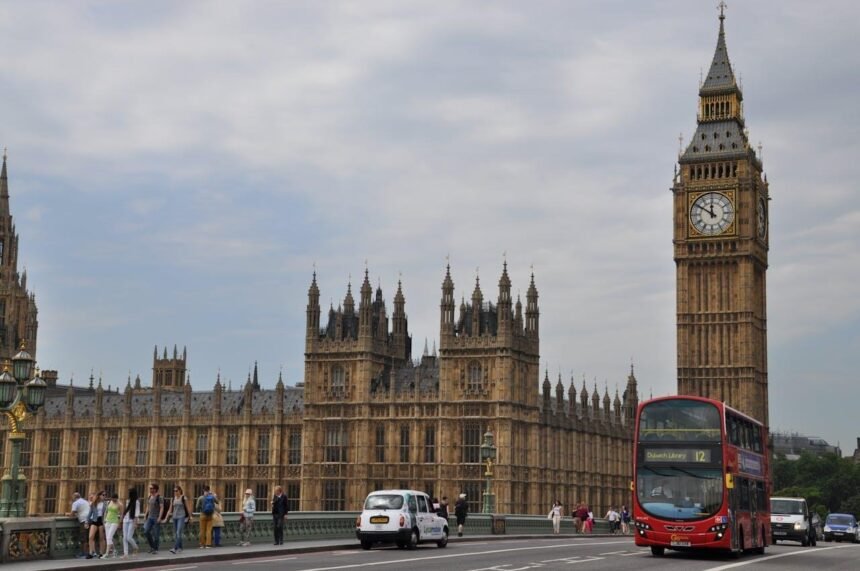
Planning a trip to the UK? Excited to explore the cobbled streets of Edinburgh, sip tea in London, or maybe just hear someone say “cheers” unironically? You’re not alone. The UK remains one of the top destinations for travellers worldwide, offering that perfect blend of history, culture and “yes, it really does rain this often.”
But here’s the twist: travelling to the UK isn’t quite as spontaneous as TikTok reels would have you believe. Between the ever-changing border policies, the cost-of-living crisis hitting cities hard and global airport delays still rippling through the system, preparing for this trip isn’t just about finding a good raincoat.
In this blog, we will share what you actually need to prepare before visiting the UK (from paperwork to packing) so your trip feels smooth, not scattered.
Get Your Paperwork in Order First
Let’s start with the big one. If you’re not a UK or Irish citizen, chances are you’ll need a visa. That process isn’t overly complicated, but it does require attention to detail. Before you buy flights or book that charming stone cottage on Airbnb, it’s key to understand how to apply for UK visa, its timelines and requirements.
Depending on your reason for visiting (tourism, business, study, or even a short-term creative gig) your visa type will vary. You’ll need to apply online, submit biometric data at a visa application centre and provide supporting documents. These might include financial statements, accommodation details, or an invitation letter. Every visa category has specific requirements and skipping even one small step could delay your plans.
Understand the Weather… and Pack Like a Local
British weather changes fast. Sunshine can turn to rain within hours, so locals prepare rather than panic. Pack layers like breathable tops, a jumper, and a proper waterproof jacket, plus shoes that handle puddles. Umbrellas are optional unless rain gets heavy.
Seasons don’t always behave as expected, so plan for variety over style to stay comfortable and ready for anything.
Budget With the Pound in Mind
Travelling to the UK used to feel a bit pricey. Now, depending on your home currency, it may feel very pricey. The pound is holding strong and combined with inflation, it means meals, transport and accommodations cost more than many expect.
The takeaway? Budget accordingly. Do research on daily costs, not just big-ticket items. A full English breakfast in Manchester might cost less than a takeaway coffee in central London. Public transport is cheaper than ride-shares. Supermarket meals are surprisingly decent.
Make use of travel cards like the Oyster card in London or contactless payments across the UK’s transport network. Many attractions now require advance bookings, which not only helps with crowd control but also helps you stick to a budget. Plan in pounds, not guesses.
Be Ready for Cashless Culture
Britain has gone largely cashless, especially in cities. You can still use cash in smaller towns or open markets, but even there, contactless card machines have become the norm. Don’t rely on exchanging large amounts of currency. Instead, make sure your card works internationally and has minimal foreign transaction fees.
Several fintech apps are popular among travellers for this reason. Many offer real-time currency exchange and helpful budgeting tools. You’ll want to keep tabs on your spending, especially when the conversion doesn’t work in your favour.
Learn the Basics of Etiquette (and Queuing)
The UK is known for politeness, but also for its unspoken social rules. One of them? The queue. Respect it. Whether it’s a line at the bus stop, the pub, or the train platform, cutting ahead won’t win you friends.
A quick tip: always say “please” and “thank you” — even when talking to a self-checkout machine (no judgement if you do). Hold doors open. If someone bumps into you, there’s a good chance you’ll end up saying sorry. It’s part of the charm.
Plan Your Transport Strategy
The UK has excellent transport infrastructure, but it can be confusing if you’re not prepared. London’s Underground system is efficient but can get packed during rush hour. Trains to other parts of the UK are fast, but booking tickets last minute can cost more than a flight.
Download city-specific transport apps. Use Google Maps for live transit updates. Book intercity train tickets in advance through National Rail or Trainline. If you’re road-tripping, remember that driving is on the left — and city congestion charges are real.
Walk when you can. Some of the best UK discoveries happen on foot. And don’t be afraid to ask for directions.
Know the Difference Between British and UK
Quick geography check: the UK isn’t just England. It includes Scotland, Wales and Northern Ireland. Each has its own culture, laws and vibe. London is not the whole story.
Explore beyond the capital. Edinburgh has its festivals. Cardiff has castles and coastlines. Belfast blends history with modern flair. And if you’re lucky, you might catch a ceilidh or a village fête.
The more you know the lay of the land, the richer your experience will be. Don’t just follow guidebooks. Follow curiosity.
Prepare for the Unexpected (and the Delightful)
Travel always involves a few surprises: the train might get delayed, your hotel might not look like the photos and the skies might open up just as you reach Stonehenge. But the UK is full of moments that make up for it.
A stranger offering directions. A free museum in an unexpected town. A band playing in a Tube station. These are the things that stay with you. Preparation matters. But so does flexibility. So have a plan but leave room for discovery. The UK rewards both.
And once you’ve sorted how to apply for the visa, packed your layers and planned your stops, what’s left is the best part: going.
So go on. The UK’s ready when you are.