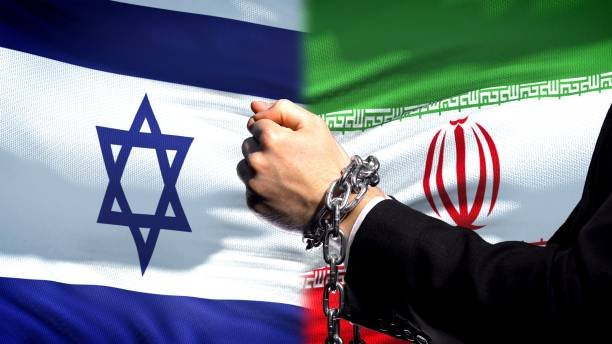
The Iran Israel conflict is one of the most important and dangerous rivalries in the Middle East. It is not a simple border dispute or a short term political disagreement. It is a long and layered confrontation shaped by ideology, military strategy, regional influence, nuclear fears, proxy groups, and competing visions for the future of the region. In recent years, the conflict has moved from indirect pressure and shadow warfare toward more open confrontation, making it a major concern not only for the Middle East but for the wider world as well. Recent reporting and policy tracking in April 2026 show that the conflict has remained highly volatile, with major economic, security, and diplomatic consequences.
Understanding the Iran Israel Rivalry
To understand this rivalry, it helps to know that Iran and Israel were not always open enemies. Before the 1979 Iranian Revolution, Iran under the Shah had working relations with Israel. That changed after the revolution, when Iran’s new leadership adopted a strongly anti Israel position and framed Israel as an illegitimate state. Since then, political hostility has become part of Iran’s official posture, while Israel has viewed Iran as one of its most serious security threats.
Over time, the relationship became more dangerous because both sides stopped seeing the other as only a diplomatic problem. Israel increasingly viewed Iran as a strategic military threat, especially because of Iran’s missile capabilities, nuclear program, and support for armed groups across the region. Iran, on the other hand, presented Israel as a symbol of regional injustice and Western backed power. That combination of ideology and hard security concerns made the conflict deeper than many other regional disputes.
Why the Iran Israel Conflict Matters
The Iran Israel issue matters because it affects far more than the two countries themselves. Their rivalry has shaped events in Lebanon, Syria, Gaza, Iraq, and the Gulf. It has also influenced oil markets, shipping routes, diplomacy between major powers, and debates around nuclear security. When tensions rise between Iran and Israel, the risk is never limited to one battlefield. It can spread quickly through allies, militias, sea lanes, and global markets. Reuters reporting in April 2026 noted that the ongoing war with Iran was affecting energy supply, the Strait of Hormuz, public finances, and broader economic stability.
This is why the conflict is watched so closely by the United States, European governments, Gulf states, and international institutions. Even a limited escalation can push fuel prices higher, disturb trade routes, and trigger security fears well beyond the Middle East. In short, the Iran Israel confrontation is both a regional and a global issue.
Iran Israel and the Nuclear Question
One of the biggest reasons this rivalry has become so intense is the nuclear question. Israel has long argued that Iran must never be allowed to develop a nuclear weapon. Iranian officials have often said their nuclear program is for peaceful purposes, but Israel and many Western governments have remained deeply suspicious. For Israel, this is not an abstract concern. It is seen as a matter of national survival. That is why the nuclear issue sits at the center of Israeli security thinking.
The fear is not only about a future bomb. It is also about how nuclear capability could shift the balance of power. If Iran became stronger under a nuclear umbrella, Israel believes Tehran could act more aggressively through its regional partners and military networks. For that reason, nuclear diplomacy, sanctions, intelligence operations, and military planning have all become part of the same story.
The Shadow War Before Open Escalation
For many years, the conflict stayed below the level of full scale war. It was often described as a shadow war. This included cyberattacks, sabotage, covert strikes, assassinations, weapons transfers, intelligence operations, and attacks on military infrastructure. Neither side always claimed responsibility directly, but both understood the pattern.
This indirect form of conflict allowed each side to pressure the other without crossing certain lines. Israel tried to disrupt Iranian weapons development and regional entrenchment. Iran used allied groups and strategic positioning across the region to increase pressure on Israel. The result was a long period of tension that was serious, but often managed through deniability and distance.
That pattern has become harder to sustain. More recent developments show that the rivalry has increasingly moved into open confrontation. Major reporting and conflict tracking now describe direct strikes, wider regional spillover, and global economic consequences, showing that the old shadow war model no longer explains the full picture.
Iran Israel Through Regional Proxies
Another major reason the conflict is so complex is that it does not operate only through direct state to state action. Much of the pressure has been exercised through regional groups and partners. Iran has built influence through what analysts often describe as an axis of allied forces and armed movements in several countries. Israel sees these networks as an extension of Iranian power. Iran sees them as part of a broader resistance structure.
This proxy dimension makes the conflict harder to contain. A strike in Syria, rocket fire from Lebanon, instability in Iraq, or violence linked to Gaza can all become connected to the wider Iran Israel rivalry. That means local conflicts can quickly become regional flashpoints.
The Lebanon front remains especially sensitive. Reuters reported on April 16, 2026 that Israel and Lebanon were tied to a fragile ten day ceasefire while the broader Iran related conflict continued, showing how closely connected these theaters remain.
Iran Israel and the Risk of Regional War
The greatest fear among diplomats and security experts is that the conflict could turn into a much wider regional war. This fear grows whenever direct strikes expand, key infrastructure is hit, or shipping routes come under threat. The Strait of Hormuz is especially important because a large share of global oil and gas passes through it. Disruption there can affect economies around the world. Reuters reported in April 2026 that markets were already reacting to conflict related disruption and doubts over diplomacy.
A wider war would not only mean more military damage. It could also bring humanitarian crises, displacement, inflation, trade disruption, and deeper instability across the region. This is why many governments push for de escalation even when they disagree on the deeper political causes of the conflict. Finance ministers from multiple countries warned this week that prolonged fighting could have long lasting effects on growth, inflation, and energy security.
Iran Israel in Global Politics
The Iran Israel issue cannot be separated from global politics. The United States has remained deeply involved in the security environment around Israel and Iran. European countries have often supported diplomacy, sanctions, and nonproliferation efforts while also warning against wider war. Russia, China, and Gulf states each view the conflict through their own strategic interests.
Because of this, every major escalation becomes a test of international diplomacy. Can outside powers reduce the risk of war, or do their actions deepen it? That question has shaped negotiations, sanctions policy, military deployments, and public statements for years. In the latest context, outside involvement has remained central to both the conflict itself and the debate over how it might be contained.
Can Diplomacy Reduce the Iran Israel Crisis
Diplomacy remains difficult, but it is still necessary. A durable solution would need more than a temporary pause in violence. It would require progress on nuclear transparency, regional security arrangements, militia activity, maritime stability, and broader political trust. That is a very high bar, especially after years of conflict and mutual suspicion.
Still, history shows that even bitter rivals can sometimes accept limited rules to avoid disaster. In the Iran Israel case, diplomacy may not create friendship, but it can still reduce miscalculation. That matters because one of the biggest dangers in this rivalry is not only deliberate escalation, but accidental escalation. A strike meant as a warning can be read as a declaration. A temporary move can trigger a wider response.
Recent reporting suggests that even when talks are explored, skepticism remains high and the path to any durable settlement is uncertain. Yet the same reporting also shows why diplomacy cannot be abandoned. The cost of failure is too high for the region and the world.
Iran Israel and the Human Cost
It is easy to discuss this topic only in terms of states, missiles, strategy, and diplomacy. But behind every escalation are real human lives. Families across the region live with fear, uncertainty, displacement, economic hardship, and trauma. Civilian infrastructure can be affected. Trade can collapse. Daily life becomes unstable. Political leaders may speak in strategic language, but ordinary people experience the conflict through insecurity and loss.
That human cost is one reason the issue remains so emotionally charged. It is also why responsible analysis should avoid reducing the conflict to slogans. The Iran Israel rivalry is serious because it combines military danger with long term political and human consequences.
The Future of the Iran Israel Conflict
The future of the Iran Israel conflict is hard to predict, but several things are clear. First, this rivalry is not likely to disappear soon. It is rooted in security fears, ideology, regional competition, and unresolved political questions. Second, the cost of escalation is rising. Open confrontation brings heavier economic and strategic consequences than earlier covert conflict. Third, the world has a strong interest in preventing this rivalry from turning into a permanent regional war.
In the coming years, much will depend on three areas. The first is the nuclear file and whether any credible framework can reduce fears of sudden escalation. The second is regional containment, especially in places where allied groups and border tensions can trigger wider violence. The third is international diplomacy, including whether outside powers choose restraint and mediation over short term pressure that may worsen instability.
Conclusion
The Iran Israel conflict is one of the defining geopolitical struggles of our time. It is not just a dispute between two governments. It is a contest shaped by history, ideology, military power, nuclear fears, regional alliances, and global economics. What makes it so dangerous is that it touches many fronts at once. A single escalation can affect diplomacy, oil markets, regional security, and civilian life across borders.
The latest context shows that this rivalry remains active, costly, and deeply unstable. That is why understanding it matters. Anyone trying to follow Middle East politics today must understand how Iran and Israel reached this point, why the conflict keeps expanding, and why diplomacy remains essential even when it looks weak. The path forward is uncertain, but one fact is clear. The longer the conflict remains unresolved, the greater the risk to the region and the wider world.
FAQs
1. What is the main reason behind the Iran Israel conflict?
The main reason is a mix of ideology, security fears, and regional power competition. Iran’s anti Israel stance after the 1979 revolution, combined with Israel’s concerns about Iran’s nuclear and military ambitions, turned the relationship into a long term strategic rivalry.
2. Is the Iran Israel conflict only about nuclear weapons?
No, it is much broader than that. The nuclear issue is central, but the conflict also involves missile programs, regional alliances, proxy groups, intelligence operations, and influence in countries such as Lebanon and Syria.
3. Why does the Iran Israel conflict affect the whole world?
It affects the world because it can disrupt oil supplies, shipping routes, and global markets. It also influences the policies of major powers and can create wider regional instability with international consequences.
4. Have Iran and Israel fought directly?
For many years they mainly confronted each other through covert actions and regional proxies. More recent developments show a greater risk of open and direct confrontation, making the conflict more dangerous than before.
5. Can the Iran Israel conflict be solved through diplomacy?
A full solution is difficult, but diplomacy can still reduce tensions and lower the risk of wider war. Even limited agreements on military restraint, regional security, or nuclear oversight could help prevent a much larger crisis.