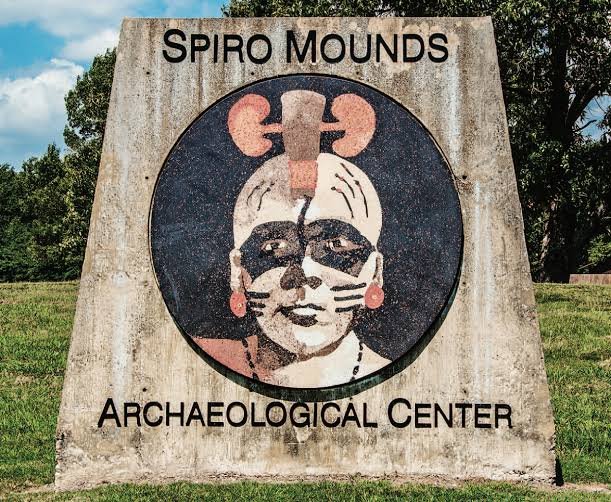

Spiro mounds archaeological center is the most significant prehistoric Native American archaeological site in Oklahoma and one of the most important Mississippian cultural centers in North America. If you want to understand ancient Indigenous civilizations, see where remarkable ceremonial artifacts were discovered, or plan a visit, this guide brings together everything you need in one place.
Quick Facts About Spiro Mounds
| Feature | Details |
|---|---|
| Official Name | Spiro Mounds Archaeological Center |
| Location | Near Spiro, Oklahoma, USA |
| State | Oklahoma |
| Historical Period | Approximately AD 850–1450 |
| Cultural Tradition | Mississippian Culture with Caddoan connections |
| Number of Mounds | 12 Earthen Mounds |
| Designation | National Historic Landmark |
| Managed By | Oklahoma Historical Society |
| Primary Purpose | Ceremonial, political, religious, and residential center |
| Famous Discovery | Craig Mound artifacts |
| Best Visit Duration | 2–3 Hours |
| Family Friendly | Yes |
What Is the Spiro Mounds Archaeological Center?
The Spiro mounds archaeological center preserves the remains of one of the largest Native American ceremonial complexes ever discovered in the United States.
For nearly six centuries, this settlement served as a thriving political, religious, and trading hub. Leaders governed from elevated platform mounds while ceremonies took place around a large central plaza. Skilled artisans produced remarkable works using shell, copper, stone, wood, and textiles.
Unlike many archaeological sites where little survives, Spiro continues to reveal how complex Indigenous societies flourished long before European arrival.
Its importance reaches far beyond Oklahoma because discoveries here transformed archaeological understanding of the Mississippian world.
Why Spiro Mounds Matters in American History
Many people associate ancient American civilizations with the Maya, Aztec, or Inca.
The Mississippian people built equally impressive ceremonial centers across what is now the southeastern United States. Spiro became one of the greatest among them.
Historians consider the site significant because it demonstrates:
- Advanced urban planning
- Long-distance trade networks
- Complex religious traditions
- Political leadership systems
- Exceptional artistic craftsmanship
- Sophisticated ceremonial architecture
Artifacts found here came from locations hundreds and even thousands of miles away, showing that Spiro participated in an enormous exchange network stretching across North America.
Where Is Spiro Mounds Archaeological Center Located?
The archaeological center sits near the town of Spiro in eastern Oklahoma.
Its location beside the Arkansas River offered several advantages:
- Fertile farmland
- Reliable water supply
- Transportation routes
- Access to trade
- Rich hunting grounds
This strategic position helped transform Spiro into a powerful regional center between approximately AD 900 and 1450.
Timeline of Spiro Mounds
| Period | Major Development |
|---|---|
| AD 850 | Early settlement begins |
| AD 900–1050 | Village expands rapidly |
| AD 1100 | Construction of ceremonial mounds increases |
| AD 1200–1400 | Height of political and ceremonial influence |
| Around AD 1450 | Population declines and ceremonial activity ends |
| 1930s | Major archaeological excavations begin |
| 1962 | Declared National Historic Landmark |
| Today | Protected archaeological and educational center |
This timeline helps explain why archaeologists consider Spiro one of North America’s most influential prehistoric sites.
Understanding the Twelve Earthen Mounds
The site’s most recognizable features are its twelve earthworks.
Each mound had a different purpose.
Platform Mounds
These elevated structures supported important buildings.
They likely housed leaders, council buildings, temples, or elite residences.
Their height demonstrated authority and ceremonial importance.
Burial Mounds
Some mounds served as sacred burial places.
Elite individuals received carefully prepared burials accompanied by valuable ceremonial objects.
These discoveries provide important evidence about social organization.
Craig Mound
Craig Mound remains the site’s most famous feature.
Often called the “Great Mortuary,” it contained one of North America’s richest collections of prehistoric ceremonial artifacts.
Archaeologists uncovered:
- Engraved shell cups
- Copper ornaments
- Stone pipes
- Carved wooden objects
- Woven textiles
- Ceremonial clothing
- Exotic trade goods
Many items survived because of the mound’s unique preservation conditions.
Incredible Artifacts Found at Spiro
The discoveries made here changed American archaeology forever.
Some of the finest examples include:
Shell Engravings
Artists carved intricate images onto marine shells imported from the Gulf Coast.
The artwork depicts:
- Mythological beings
- Warriors
- Birds
- Ceremonial scenes
- Religious symbols
The level of craftsmanship rivals artwork produced anywhere in prehistoric North America.
Copper Objects
Copper arrived through extensive trade networks.
Artisans transformed raw metal into:
- Decorative plates
- Ceremonial ornaments
- Symbols of leadership
These pieces demonstrate remarkable metalworking skills despite the absence of modern tools.
Stone Pipes
Stone pipes played important ceremonial roles.
Many feature detailed carvings representing animals or spiritual figures.
Their craftsmanship continues to impress researchers today.
Textiles
Organic materials rarely survive for centuries.
Spiro preserved woven fabrics, ropes, baskets, and other fiber objects that provide rare evidence of ancient textile production.
Trade Networks That Connected a Continent
One of Spiro’s greatest achievements involved commerce.
Artifacts indicate trade connections with regions including:
- Great Lakes
- Gulf Coast
- Appalachian Mountains
- Mississippi Valley
- Plains
- Southeastern United States
Materials arriving through these networks included:
| Material | Likely Source |
|---|---|
| Marine Shell | Gulf Coast |
| Copper | Great Lakes |
| Flint | Regional Quarries |
| Stone | Various River Systems |
| Decorative Minerals | Southeastern United States |
These exchanges spread ideas alongside physical goods.
Religious symbols, artistic styles, and ceremonial traditions moved between distant communities.
Daily Life at Spiro
Life centered around agriculture, community, religion, and craftsmanship.
Residents cultivated crops such as:
- Corn
- Beans
- Squash
- Sunflowers
These crops formed the agricultural foundation supporting a growing population.
Families also relied on:
- Hunting
- Fishing
- Gathering wild plants
- River resources
The surrounding forests supplied wood, game, medicinal plants, and construction materials.
Religious Life and Ceremonies
Religion shaped nearly every aspect of community life.
Large public ceremonies likely took place in the central plaza.
Leaders combined political authority with religious responsibilities.
Archaeological evidence suggests ceremonies included:
- Ritual feasts
- Sacred burials
- Gift exchanges
- Processions
- Symbolic artwork
- Spiritual performances
Many engraved artifacts contain recurring symbols connected with what archaeologists call the Southeastern Ceremonial Complex.
Architecture and Community Planning
The layout reveals sophisticated planning.
Major features include:
- Central ceremonial plaza
- Platform mounds
- Residential areas
- Storage facilities
- Public gathering spaces
- Defensive natural landscape
The arrangement encouraged social interaction while reinforcing political and religious authority.
Archaeological Discoveries That Changed History
Excavations during the twentieth century transformed scholarly understanding of prehistoric America.
Researchers learned that Indigenous societies developed:
- Organized governments
- Regional alliances
- Religious institutions
- Skilled craft industries
- International-scale trade for the era
The discoveries challenged outdated assumptions that large, organized civilizations did not exist north of Mexico.
Today, Spiro serves as powerful evidence of Indigenous innovation and achievement.
Visiting the Spiro Mounds Archaeological Center
Visitors experience far more than an open field.
The visitor center explains:
- Archaeological discoveries
- Artifact replicas
- Mississippian history
- Native American culture
- Excavation techniques
Walking trails guide guests through the preserved mound complex while interpretive signs explain each area’s historical purpose.
Most visitors spend between two and three hours exploring the museum and outdoor site.
Best Time to Visit
Spring and autumn provide the most comfortable weather.
Morning visits often offer:
- Cooler temperatures
- Better photography conditions
- Smaller crowds
- Pleasant walking experiences
Comfortable shoes are recommended because visitors spend much of their time outdoors.
Visitor Tips
For the best experience:
- Allow several hours.
- Read the exhibits before walking outside.
- Bring water during warmer months.
- Wear sun protection.
- Respect protected archaeological areas.
- Stay on designated paths.
- Take time to study the interpretive displays.
Small details become much more meaningful after understanding the site’s history.
Preservation Efforts
Archaeological sites face many threats.
These include:
- Weather erosion
- Vegetation growth
- Illegal artifact collecting
- Urban development
- Natural deterioration
Conservation specialists carefully monitor Spiro to protect remaining archaeological evidence for future generations.
Education also plays a major role.
Visitors who understand the site’s significance become advocates for preserving Native American heritage.
Common Misconceptions
“It’s just a group of dirt hills.”
Those hills represent carefully engineered ceremonial structures built over centuries.
Each mound reflects planning, labor, and religious significance.
“Only archaeologists enjoy visiting.”
Families, photographers, students, history enthusiasts, and travelers all find the site engaging because exhibits explain the history in accessible ways.
“Everything valuable has already been removed.”
While many artifacts now reside in museum collections for preservation, the landscape itself remains an extraordinary archaeological resource.
Walking through the original ceremonial complex creates a powerful historical experience.
What Makes Spiro Different From Other Mississippian Sites?
Several qualities distinguish Spiro from similar locations.
| Feature | Spiro | Many Other Sites |
|---|---|---|
| Rich Burial Artifacts | Excellent | Moderate |
| Preservation of Organic Materials | Outstanding | Rare |
| Long-Distance Trade Evidence | Extensive | Moderate |
| Ceremonial Importance | Very High | Varies |
| Educational Facilities | Excellent | Varies |
| Public Accessibility | High | Moderate |
These differences explain why archaeologists continue studying the site decades after the first excavations.
Lessons Modern Archaeology Has Learned
Research at Spiro demonstrates several important principles.
Ancient Indigenous societies possessed sophisticated political systems.
Trade connected distant communities across thousands of miles.
Art reflected complex religious beliefs rather than simple decoration.
Community planning showed remarkable engineering knowledge.
Cultural traditions evolved over centuries while maintaining shared ceremonial practices.
Each new study continues adding detail to this remarkable story.
Expert Verdict
Anyone interested in Native American history should place Spiro mounds archaeological center near the top of their travel list.
The site offers far more than ancient earthworks. It tells the story of a flourishing civilization that built monumental architecture, established continent-wide trade connections, created exceptional artwork, and developed complex spiritual traditions centuries before European contact. Combined with informative exhibits, preserved landscapes, and ongoing archaeological research, Spiro remains one of the finest places in the United States to understand the depth, creativity, and resilience of Indigenous cultures.
Frequently Asked Questions
1. Why is the Spiro Mounds Archaeological Center famous?
It is famous for preserving one of North America’s most important Mississippian ceremonial centers and for the extraordinary artifacts discovered inside Craig Mound, including engraved shells, copper objects, textiles, and ceremonial items.
2. How old is the Spiro Mounds site?
The settlement developed around AD 850 and reached its peak between AD 1200 and 1400 before declining around AD 1450.
3. Can visitors walk around the mounds?
Yes. Visitors can explore designated walking trails around the preserved mound complex while learning from interpretive signs and exhibits. Staying on marked paths helps protect the archaeological landscape.
4. How long should you spend visiting?
Most people spend 2 to 3 hours exploring the museum exhibits, visitor center, and outdoor archaeological trails. History enthusiasts may wish to stay longer.
5. What makes Spiro Mounds unique compared to other archaeological sites?
Its exceptional preservation, rich ceremonial artifacts, evidence of continent-wide trade, and role as a major political and religious center make it one of the most significant prehistoric Native American sites in the United States.